


Experience Giten’s 7-module journey through his powerful healing process, the BioDynamic Breathwork & Trauma Release System® (BBTRS®).
BioDynamic Breathwork supports your body’s natural process for releasing chronic tension, self-restricting patterns, and emotional trauma — clearing the way for feelings of joy, self-love, and deep relaxation.
You’ll explore the seven belts of tension in your body — the ocular, oral, cervical, thoracic, diaphragmatic, abdominal, and pelvic belts.
Throughout the course, Giten addresses each belt of tension individually — and as you’ll discover, each section of your body is linked to specific emotions.

This course shows you how to use all six healing tools of BioDynamic Breathwork — breath as the main focus, along with movement, touch, sound, conscious emotional expression, and meditation.
With Giten’s course as your guide, you’ll target specific issues for personal growth using his flexible system. You’ll bring long-hidden (and often-overlooked) emotions to the surface.
You’ll connect unconscious patterns to past events. And you’ll gain more clarity to act with awareness, fostering intimacy and connection with others.
You’ll learn to breathe more effectively, sense your body, and explore feelings unconditionally. Giten’s course also shows you how to return to your own internal resources for support and comfort whenever you need to.
As you heal and let go of core tensions by working through and releasing repressed negative energy stuck within your body, you’ll clear your emotional pathways — so you can feel happy and hopeful again.
In this 7-module transformational intensive, Giten guides you through powerful breath and movement techniques to track the sensations in each area of your body and let go of physical and emotional tension from trauma.
In this opening module, you’ll become fully grounded in the foundations of BioDynamic Breathwork.
You’ll walk through the ways trauma turns into tension and how it’s stored in the body as it accumulates over the years.
You’ll explore the profound physical impacts of trauma — and the sensations the body produces when that trauma is released.
Rather than going into deep, connected breathing practices as in other approaches, you’ll move through BioDynamic Breathwork in intervals using the principle of titration — releasing tension in small doses so you don’t become overstimulated.
You’ll learn how to become more aware of your body’s sensations — and develop an even more intimate interaction with sensory messages throughout your body — as you take the first steps toward releasing your trauma.
As Giten shares these foundations, you’ll discover:
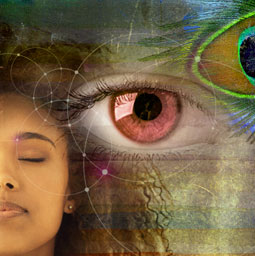
In this second module, you’ll explore the ocular belt, which includes the eyes, forehead, and top of the head.
As you’ll discover, it’s also home to the emotions of suspicion, amusement, contempt, detachment, guarding, fighting, anger, and grief.
The tension in the ocular belt is constantly asking the question, “Where is the next danger coming from?” Your eyes gather visual information, assess the safety or threats in your environment — then send nerve impulses to the occipital area for processing….
In this module, you’ll discover:

In this module, you’ll be introduced to two pivotal belts that often collaborate with each other…
You’ll explore the oral belt, which includes the mouth, chin, nose, jaw, and ears. Emotions like contempt, disgust, longing, desire, fear, pain, anger, connection, self-awareness, and presence reside in this belt…
The cervical belt, meanwhile, is home to the deep neck muscles and tongue. Emotions like self-pity, helplessness, longing, hurt, fear, pain, rage, freedom, creativity, and self-expression are found in the cervical belt.
The oral and cervical belts work intimately together. While the oral belt is home to your mouth, the cervical belt houses your tongue, and ultimately, your voice.
You’ll discover how both belts are involved when you hold back the words you really want to say — for instance, you might wake up with a sore throat the morning after repressing your true opinion at work…
Or you might experience chronic tension in the throat and neck, stiffness in the trachea and vocal cords, and a restriction of breath.
Neck tension can also cause you to sink your neck down into your shoulders, physically pulling yourself into your “shell” like a turtle. This type of constriction involves much more than keeping your physical mouth shut — it impacts your creativity and true expression of your inner self.
In this module, you’ll:

In this module, you’ll explore the thoracic belt, which includes the heart, shoulders and surrounding muscles, chest, arms, hands, lungs, and the muscles between your ribs.
This belt houses deep heart feelings of grief, mourning, longing, love, fear, rage, anger, and joy.
The thoracic belt is most impacted by the childhood impulse to reach out for pleasure. Chronic tension can take hold when your developmental needs aren’t met, and you’re instead exposed to deprivation or punishment.
For adults, traumatic heartbreak also can cause knots in the thoracic belt. If you don’t take steps to consciously release this tension, years may pass before you recover.
In this module, you’ll explore:

In this module, you’ll explore the diaphragmatic and abdominal belts.
The diaphragmatic belt — located in the diaphragm, stomach, rib cage, and all supporting structures — involves pain and pleasure. When trauma is held here, it can block the sensing sexual feelings, rage, hate, terror, strength, and empowerment.
The diaphragm is intimately involved in your ability to breathe deeply, and any stuck emotions affect the volume of your breath.
In the same way, your breathing affects how you activate and use your diaphragm. The inability to express yourself emotionally affects your ability to flex the rib cage and expand the lungs.
In other words, when you stop breathing, then you stop feeling.
You’ll also explore the abdominal belt, home to both the abdominal and lower back muscles. This belt is linked to emotions including pain, fear, pleasure, trust, and all feelings related to nourishment.
The abdominal belt is also known as the body’s relaxation center….
In this module, you’ll explore:
In this pivotal module, Giten will walk you through the pelvic belt, where almost all core pelvic muscles are located, including the genitals, urinary tract, buttocks, and also the leg muscles.
The pelvic belt is linked to sexual feelings and arousal, a sense of power, and the emotions of anger, rage, anxiety, terror, panic, and pleasure.
The pelvis houses the primary core muscles, including the psoas (the large muscles that run from the lumbar spine through the groin on either side into the hips). This area envelops and supports the bladder and sex organs.
Giten will explain how the pelvic belt is crucial in fight-or-flight, and how it’s a primary location for tension. Trauma responses in this belt can cause the core to become weak and overextended…
In this module, you’ll learn:
In this final module, you’ll move through each section of your body and assess the many ways you now feel different.
As your journey draws to a close, you’ll feel lighter after releasing the traumas stored in your body. Simply understanding how trauma works within your body — and discovering how to release it — can be incredibly empowering.
In this final module, you’ll:
We feel honored that Giten Tonkov has chosen to partner with The Shift Network to offer this exclusive online training. This is a unique opportunity to learn from the founder of the BioDynamic Breathwork & Trauma Release System, whose powerful insights and pioneering work are helping us heal and transform ourselves and our world.
If you’re serious about letting go of trauma and finding the strength and ability to live your life happily, openly, and freely, then you owe it to yourself, your loved ones, and our world to take this one-of-a-kind training.
There are no reviews yet.


You must be <a href="https://wislibrary.net/my-account/">logged in</a> to post a review.